.
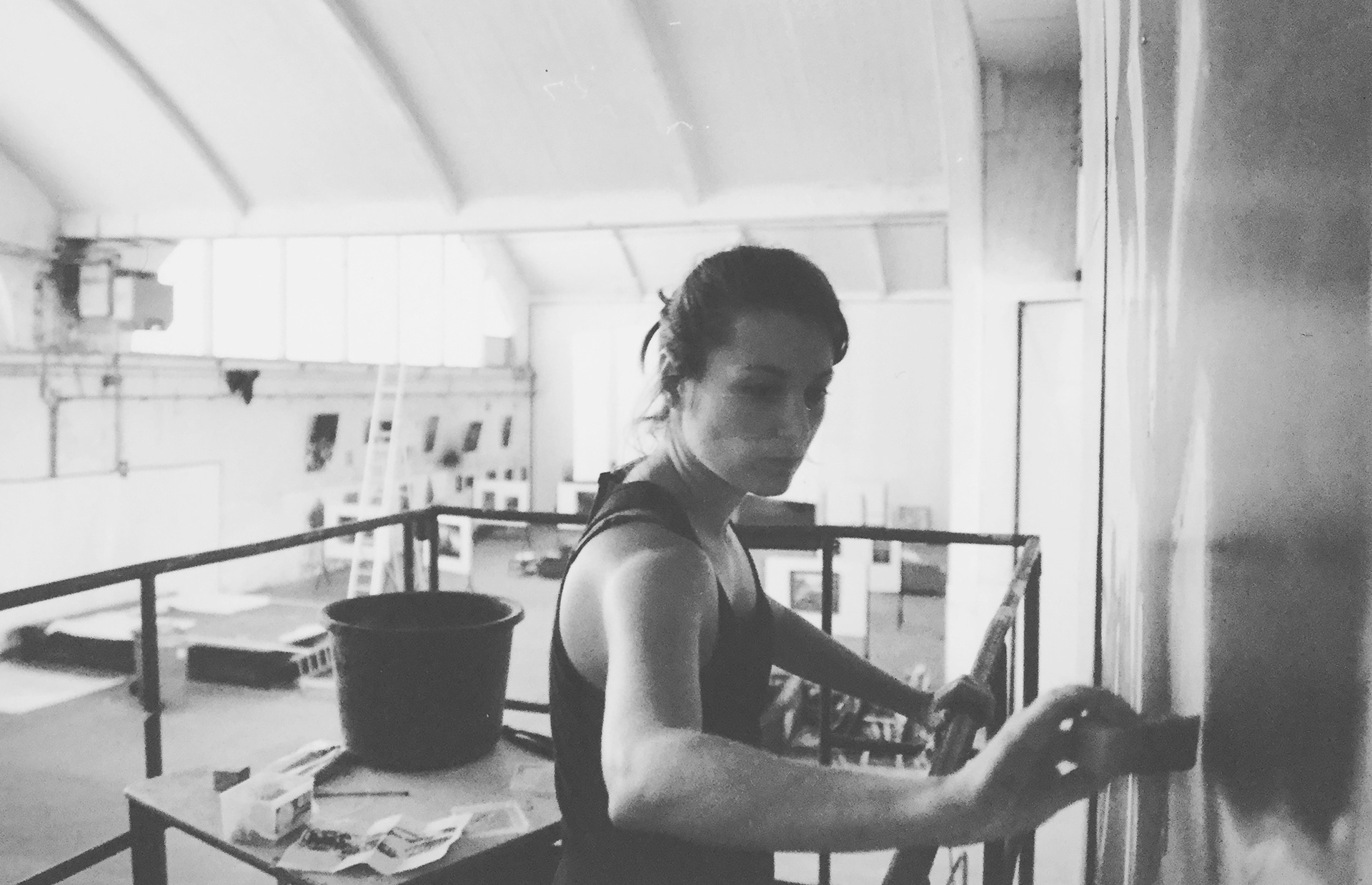
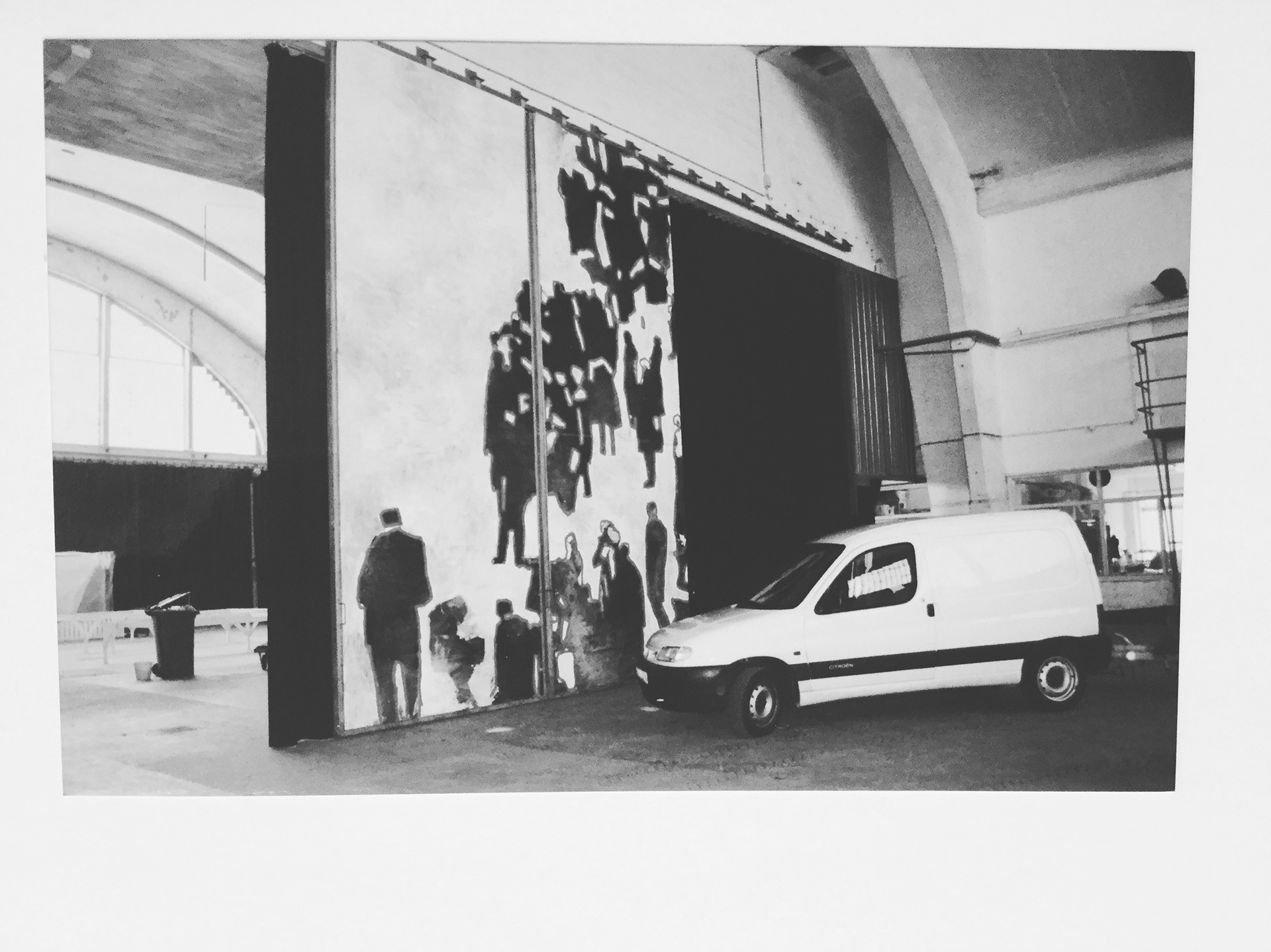
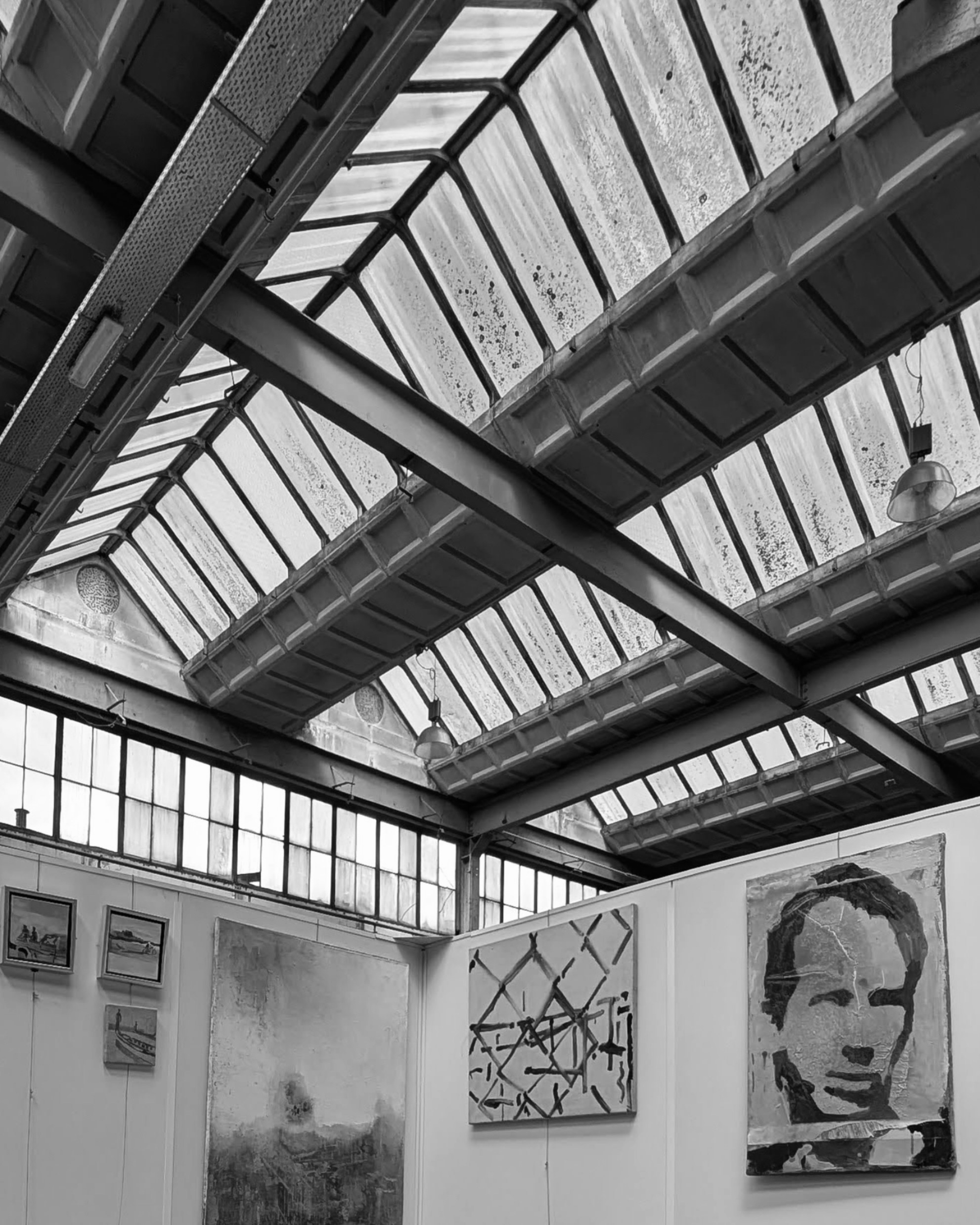
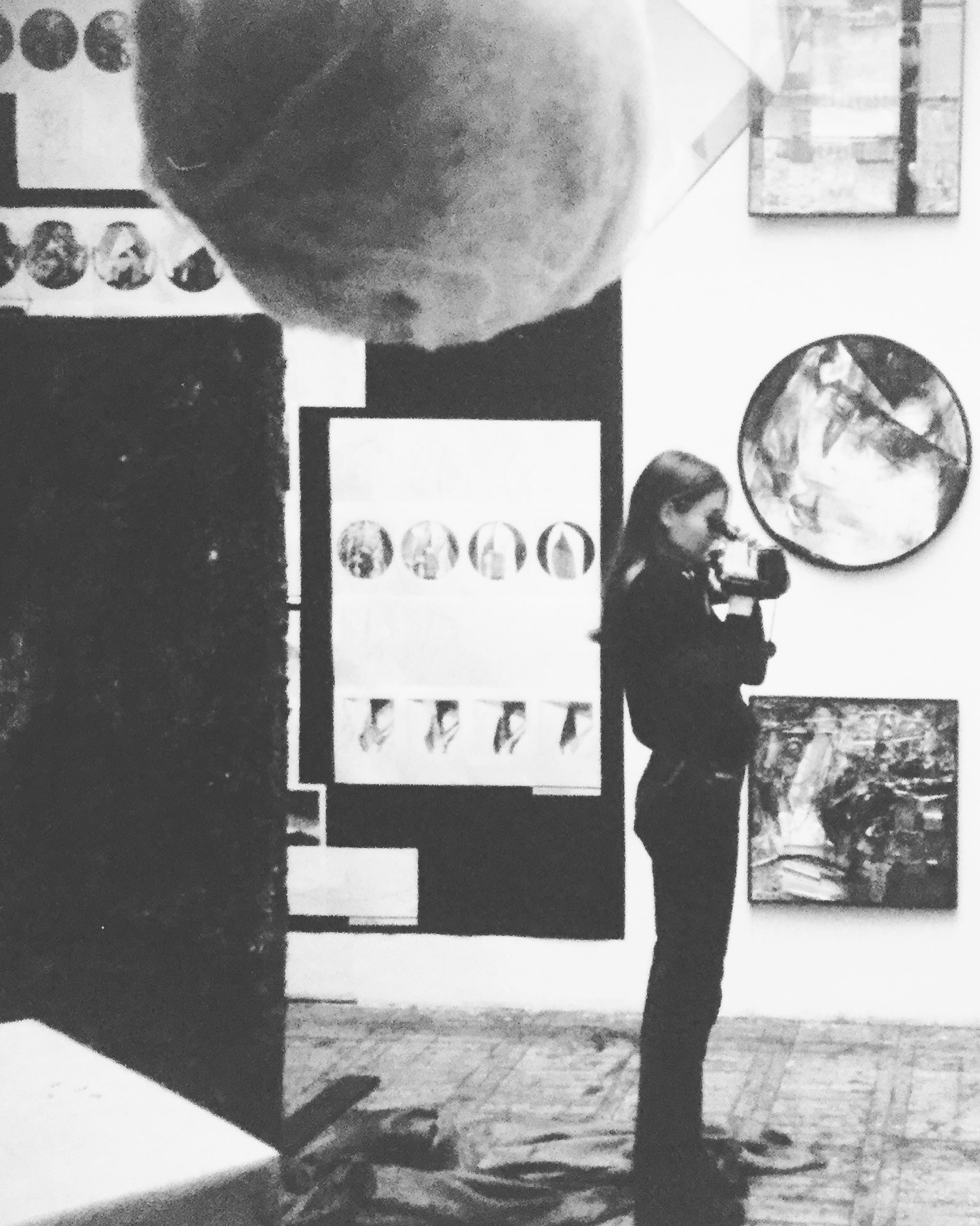
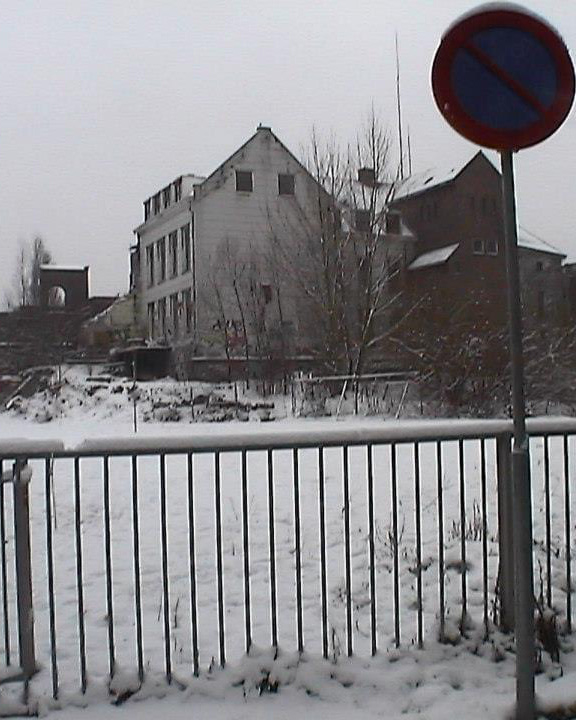
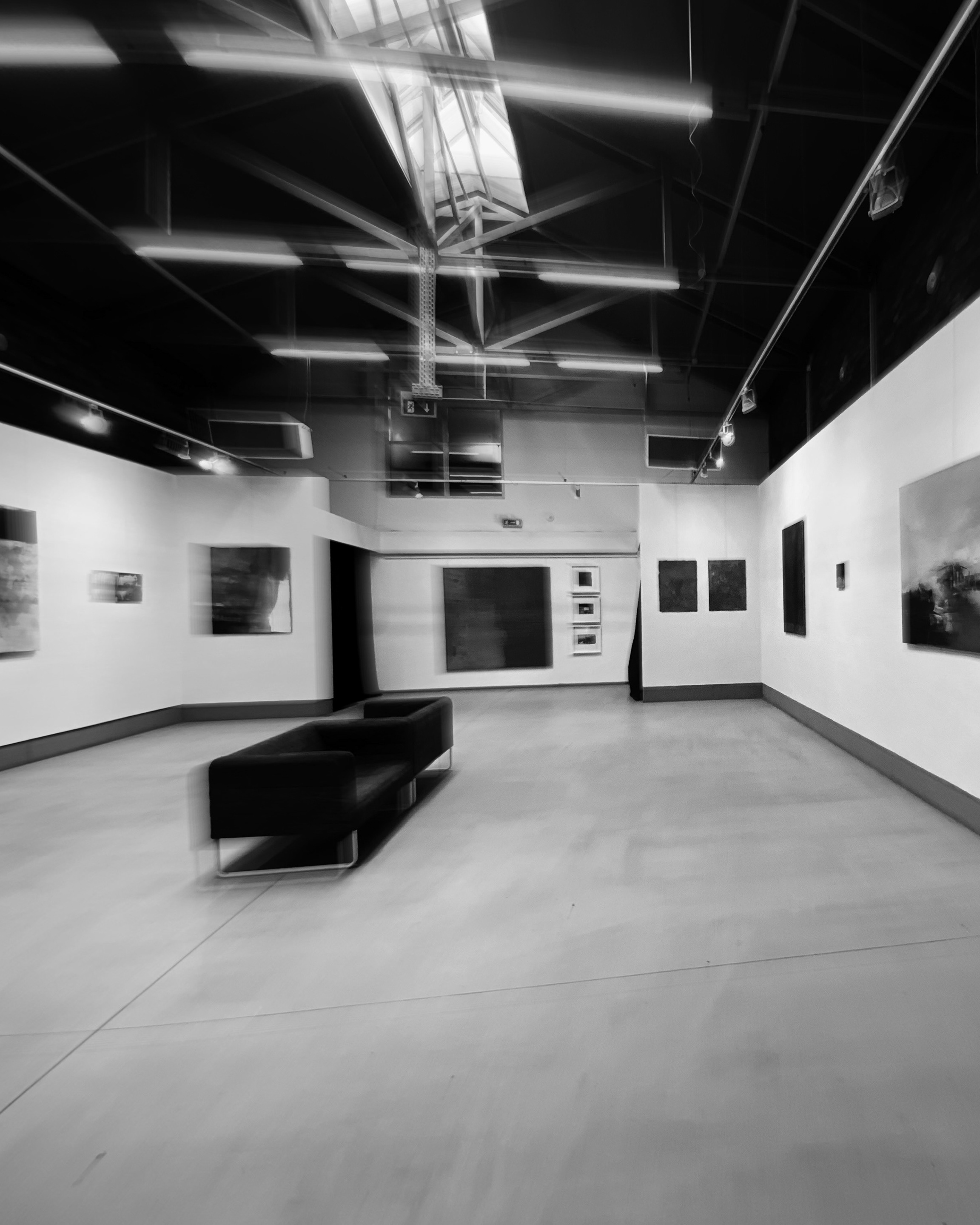
OD JEDWABIU DO POPIOŁU, OD FABRYKI DO PUNKTU ZWROTU - TAK ZMIENIAŁA SIĘ HISTORIA TEGO MIEJSCA. NA POCZĄTKU XX WIEKU NYMA W NIJMEGEN WPROWADZIŁA W ŻYCIE PRODUKCJĘ SZTUCZNEGO JEDWABIU. HALE FABRYCZNE, ZAPROJEKTOWANE W 1948 ROKU PRZEZ ZANDSTRĘ, TĘTNIŁY PRACĄ I ENERGIĄ CAŁEGO KOMPLEKSU. W 1985 ROKU CZĘŚĆ BUDYNKU PRZEJĘŁA FIRMA VASIM, NADAJĄC PRZESTRZENI NOWĄ, SUROWĄ FUNKCJĘ PRZEMYSŁOWĄ I PRZETWARZAJĄC POPIOŁY LOTNE NA MATERIAŁY BUDOWLANE. U PROGU NOWEGO ROZDZIAŁU, OPUSZCZONY PRZEZ PRZEMYSŁ, ALE Z ZACHOWANĄ MONUMENTALNĄ, SUROWĄ ARCHITEKTURĄ, BUDYNEK BYŁ GOTOWY STAĆ SIĘ PRZESTRZENIĄ DLA NOWYCH FORM ŻYCIA SPOŁECZNEGO I KULTURALNEGO. JEDNYM Z PIERWSZYCH WYDARZEŃ, KTÓRE ZAPOCZĄTKOWAŁY TĘ PRZEMIANĘ, BYŁA WYSTAWA EXPO DE VASIM, PODCZAS KTÓREJ ZREALIZOWAŁAM SWOJĄ INSTALACJĘ WE WNĘTRZU FABRYCZNYM.
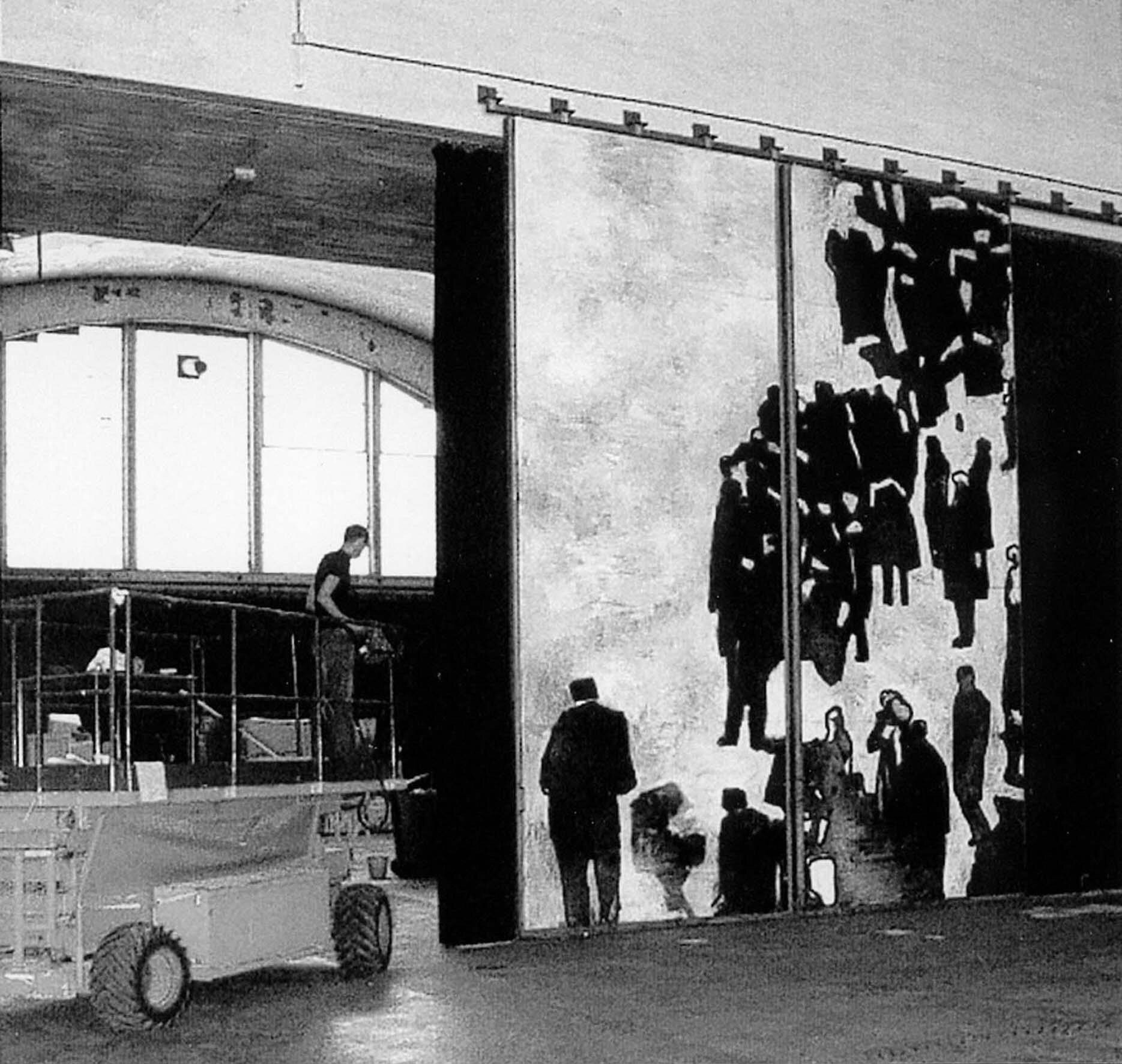
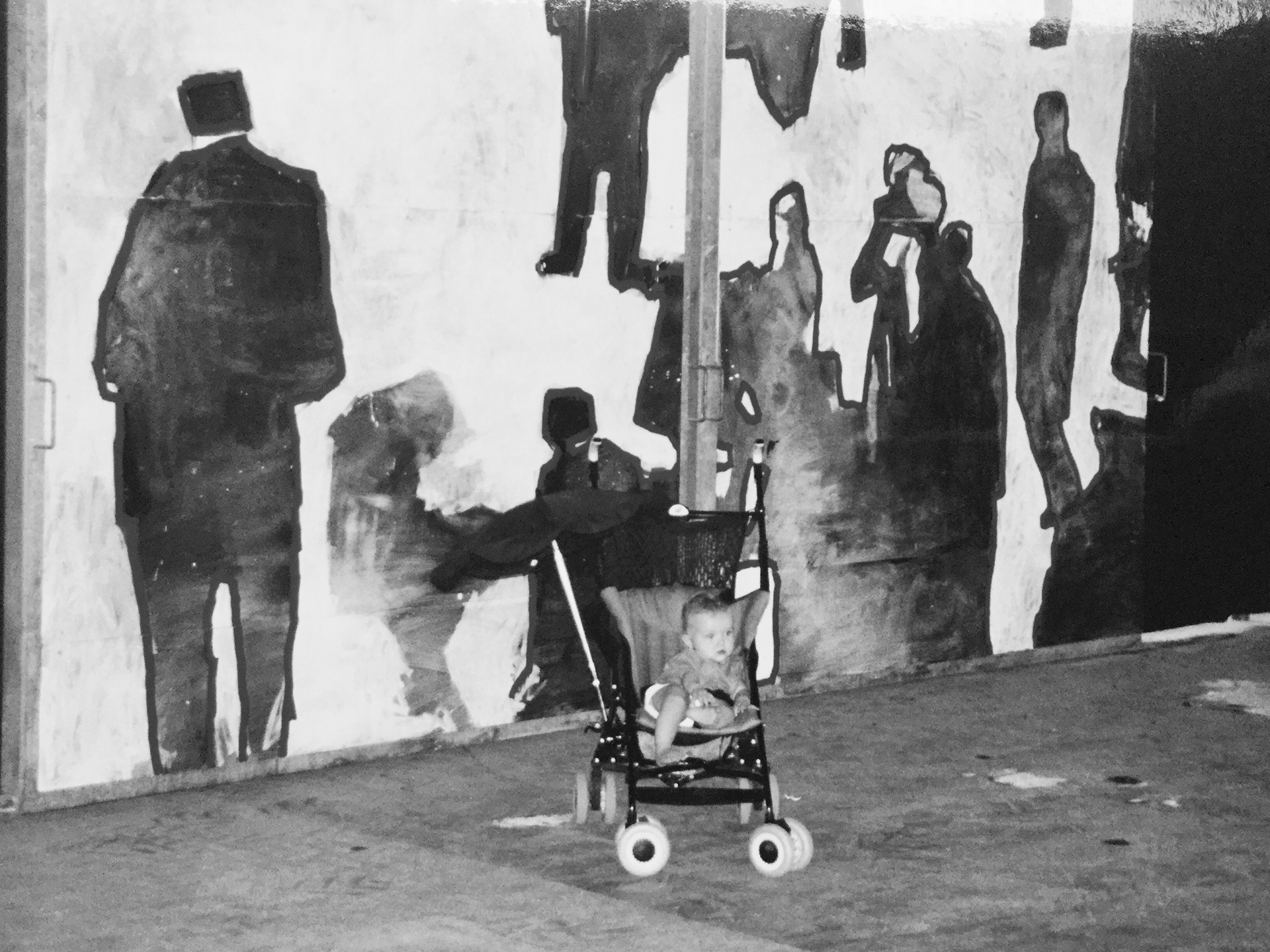
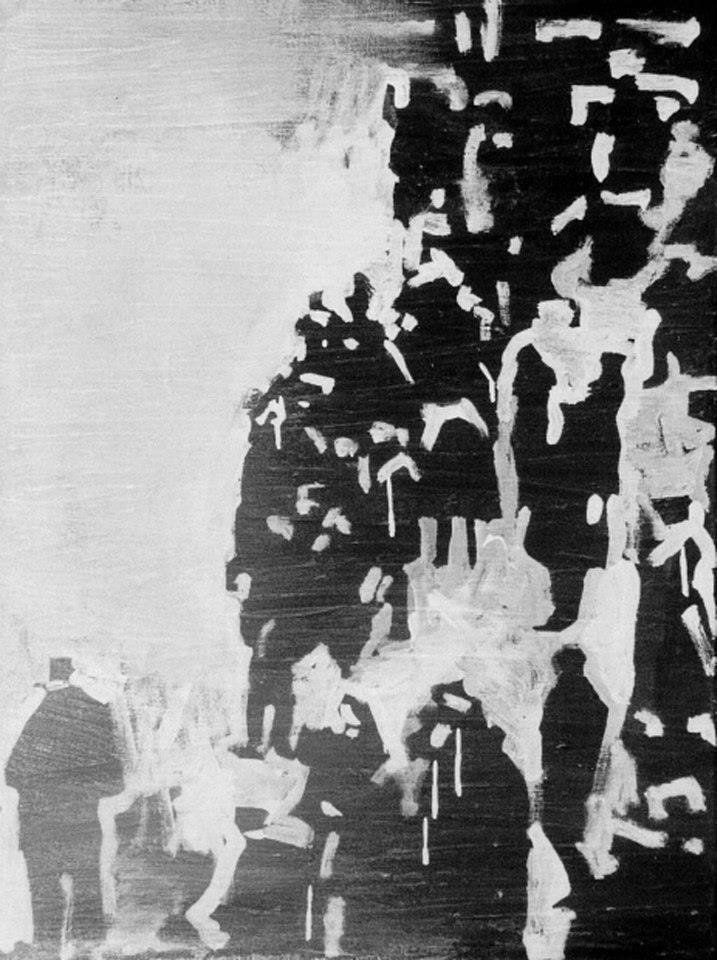
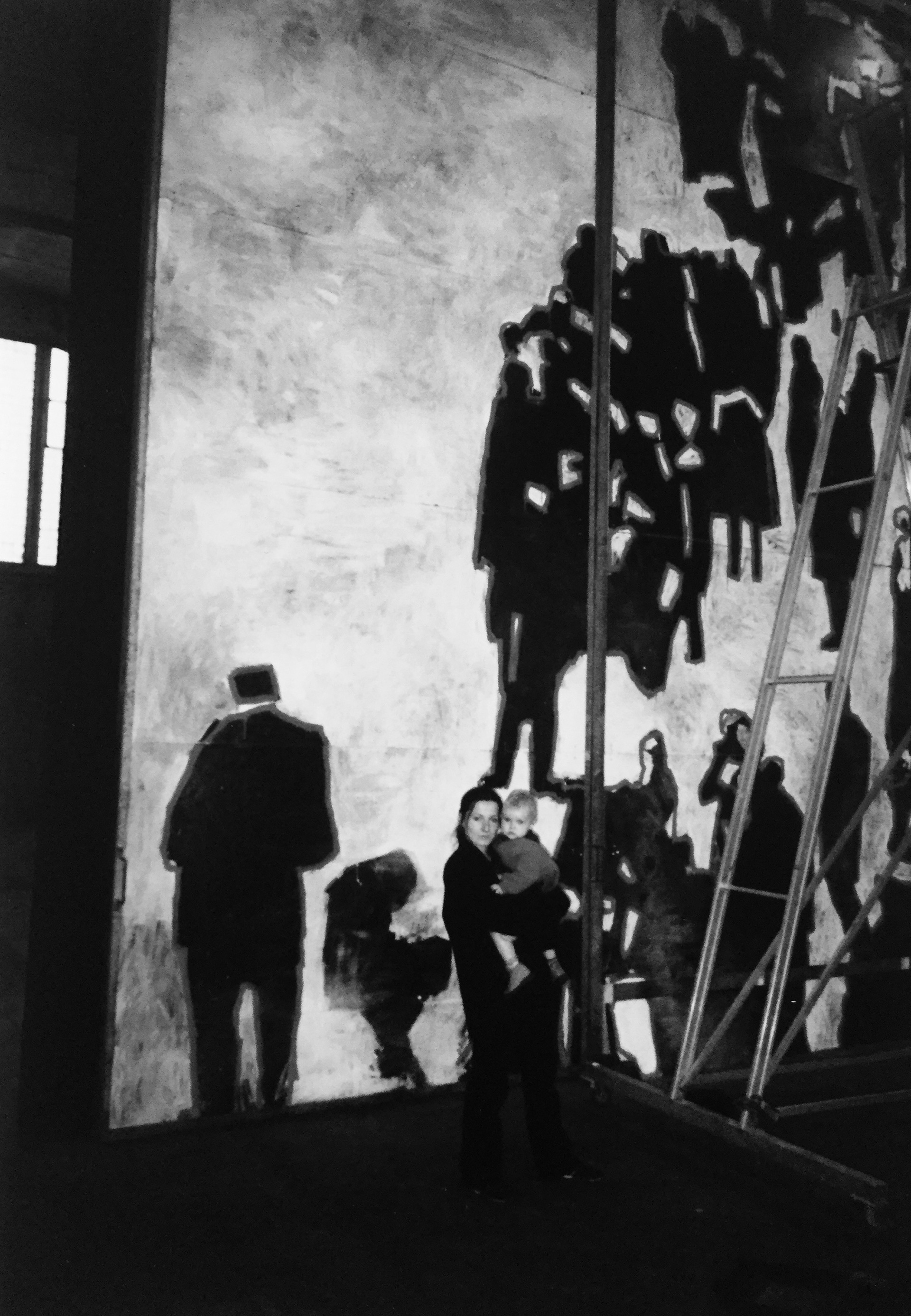
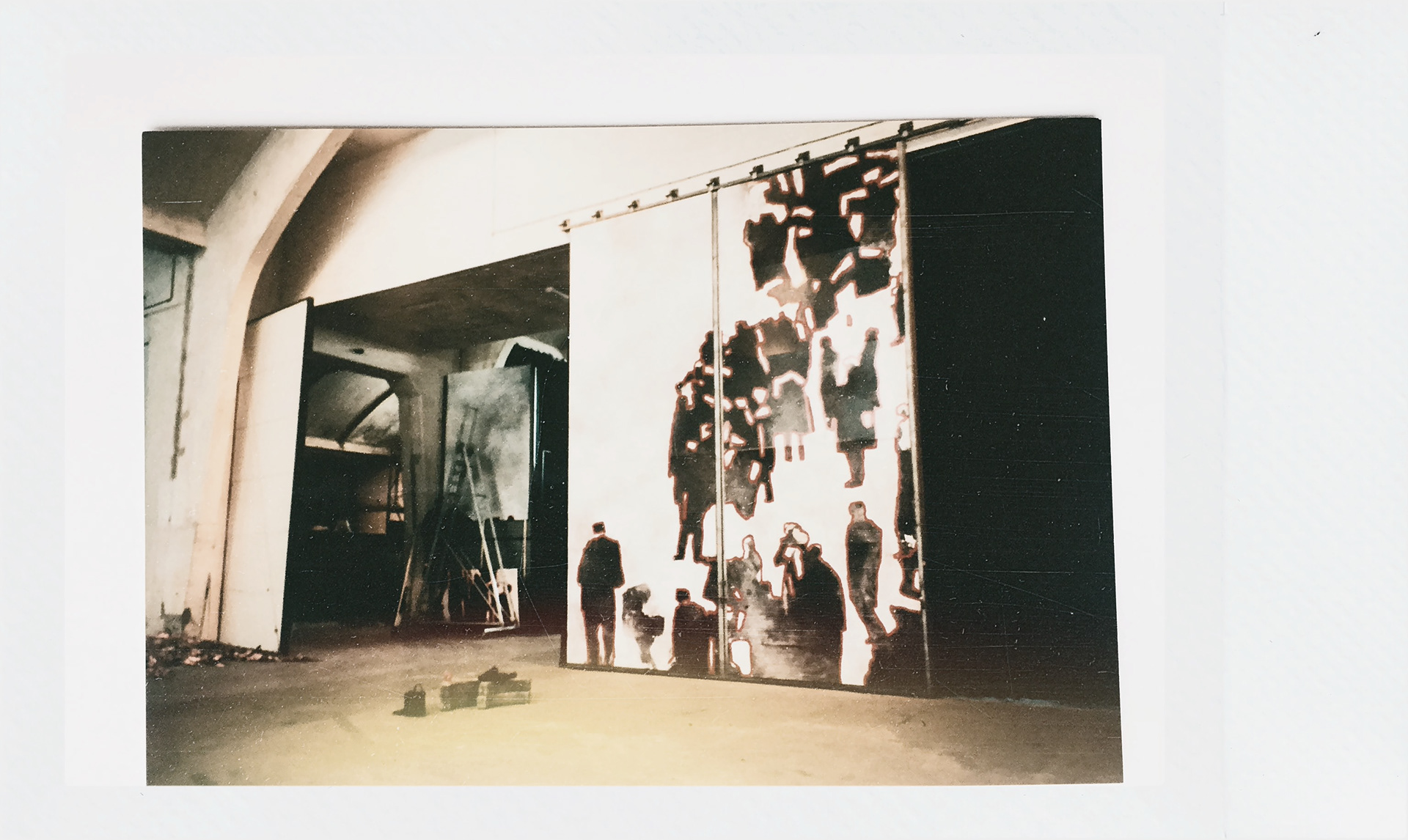
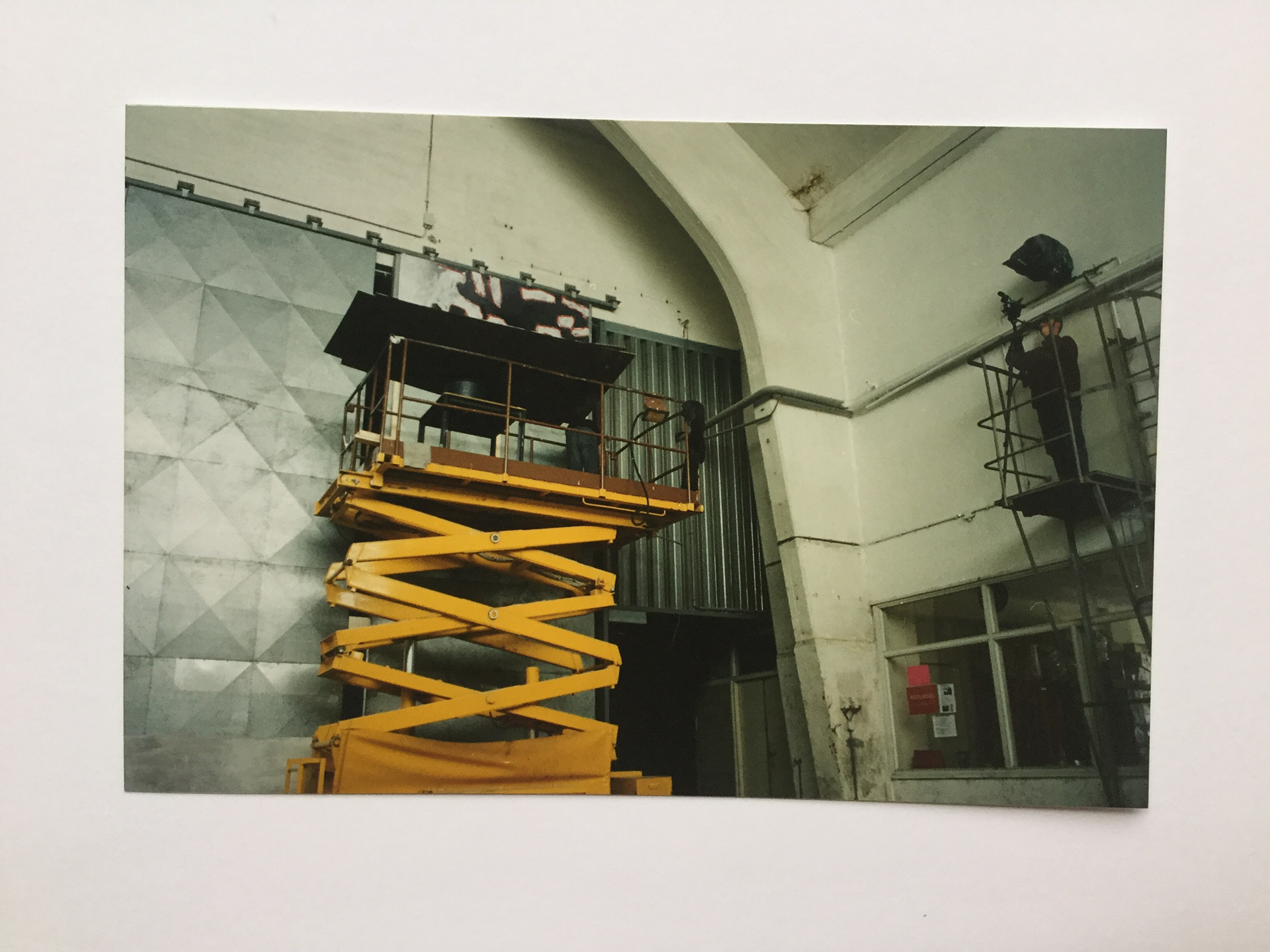
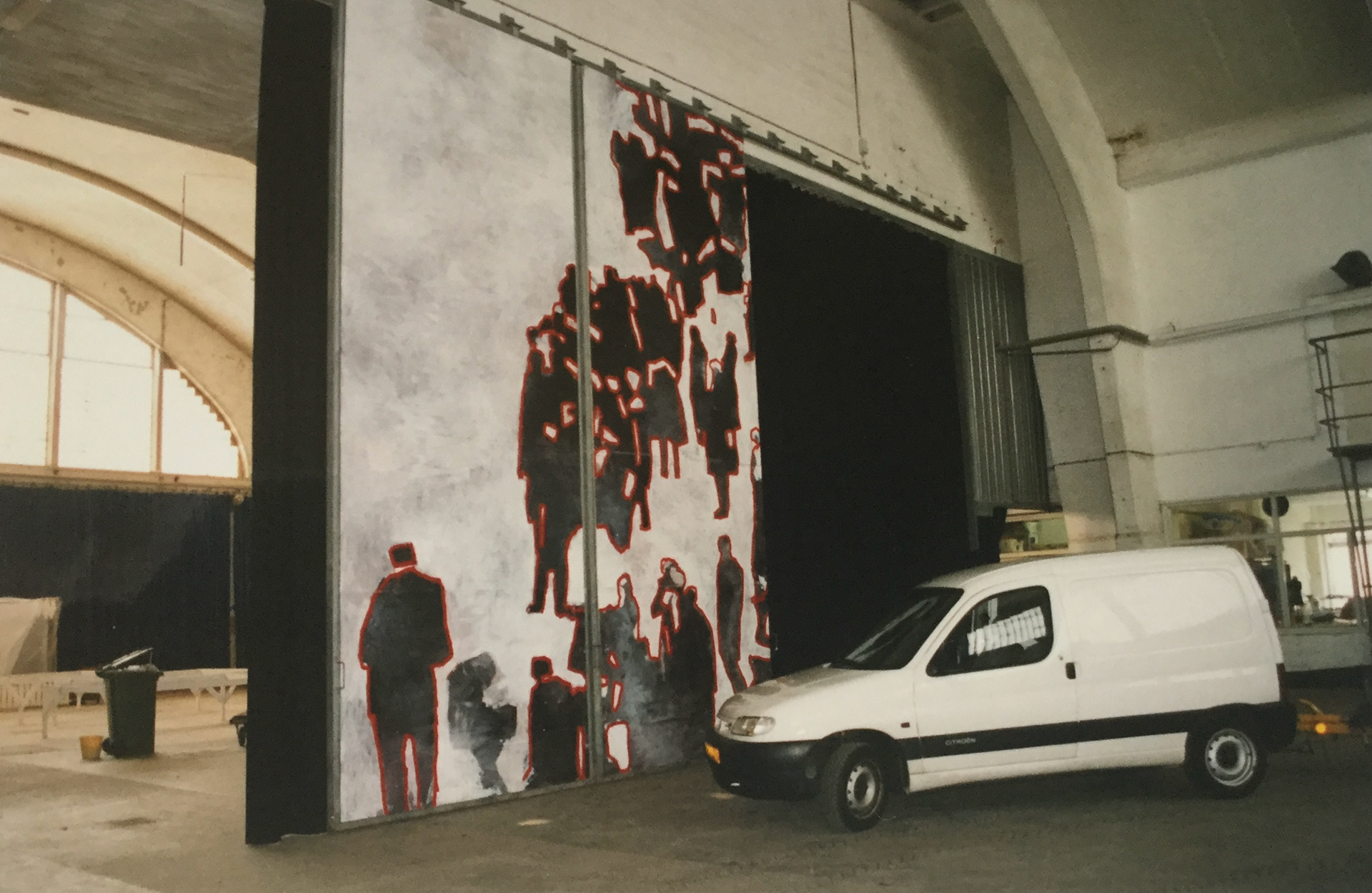
From Silk to Ash, from Factory to Turning Point - this is how the history of this place unfolded. At the beginning of the 20th century, NYMA in Nijmegen began producing artificial silk. The factory halls, designed in 1948 by architect Zandstra, pulsed with the work and energy of the entire complex. In 1985, part of the building was taken over by the company Vasim, giving the space a new, raw industrial function and processing fly ash into construction materials.
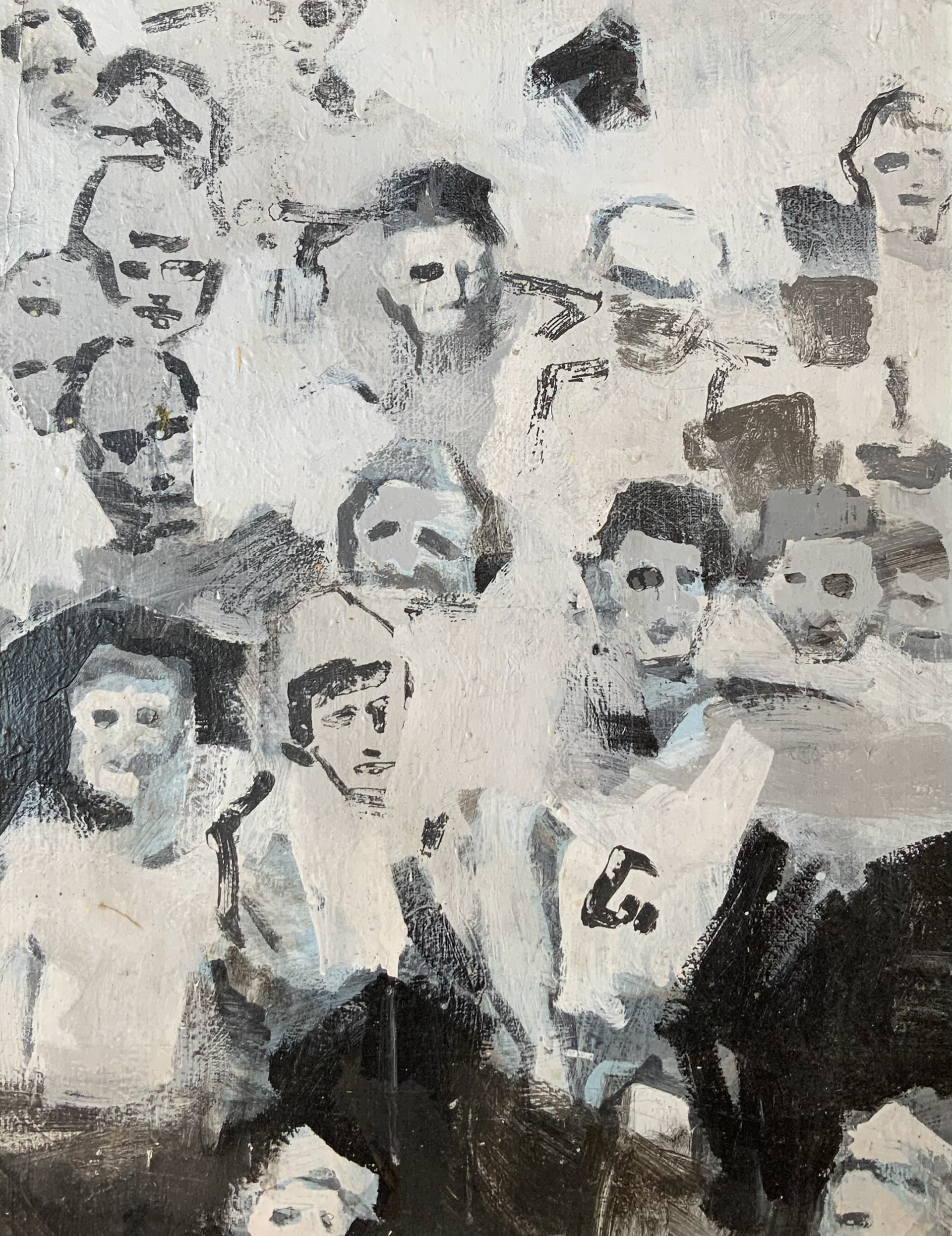
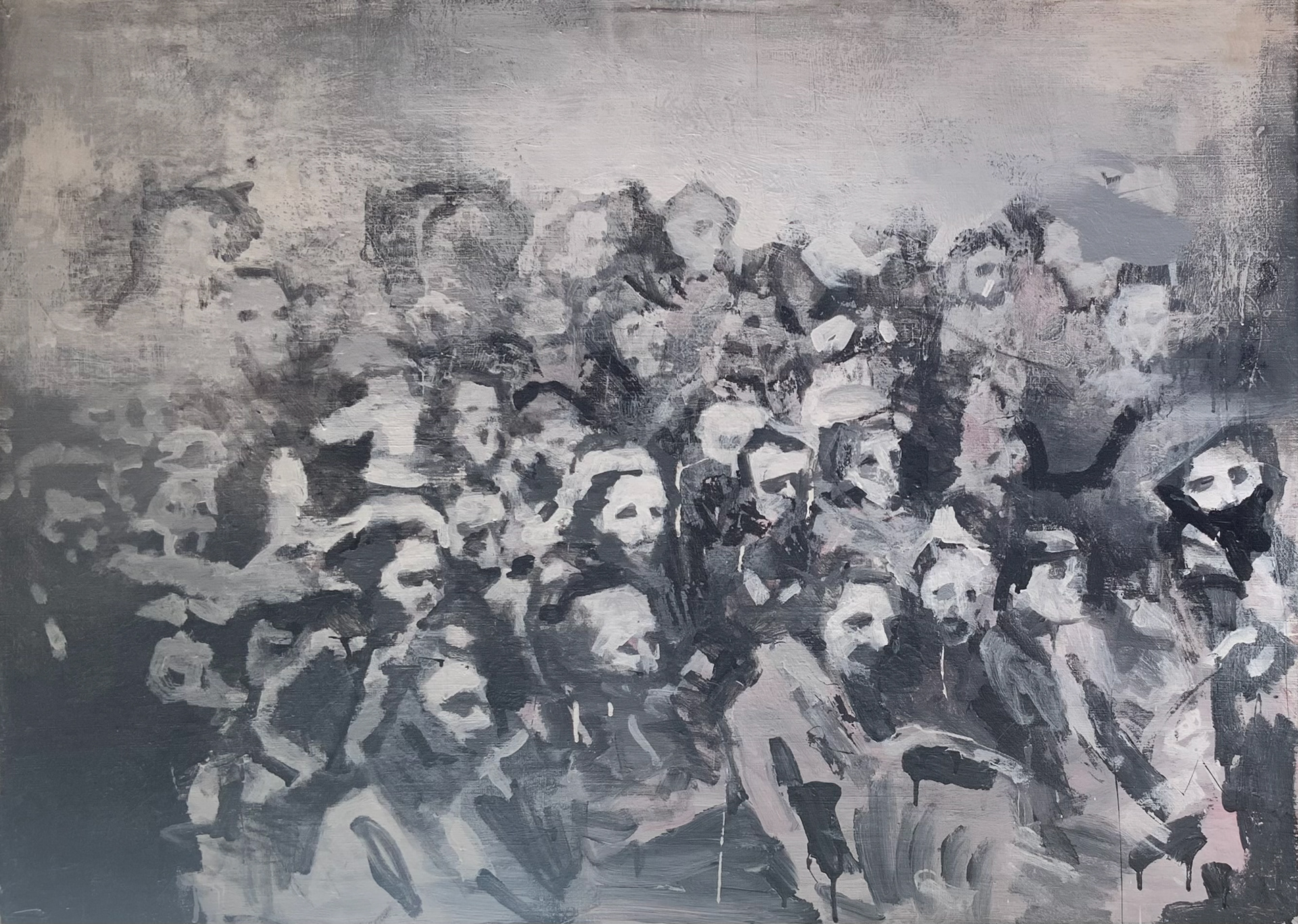
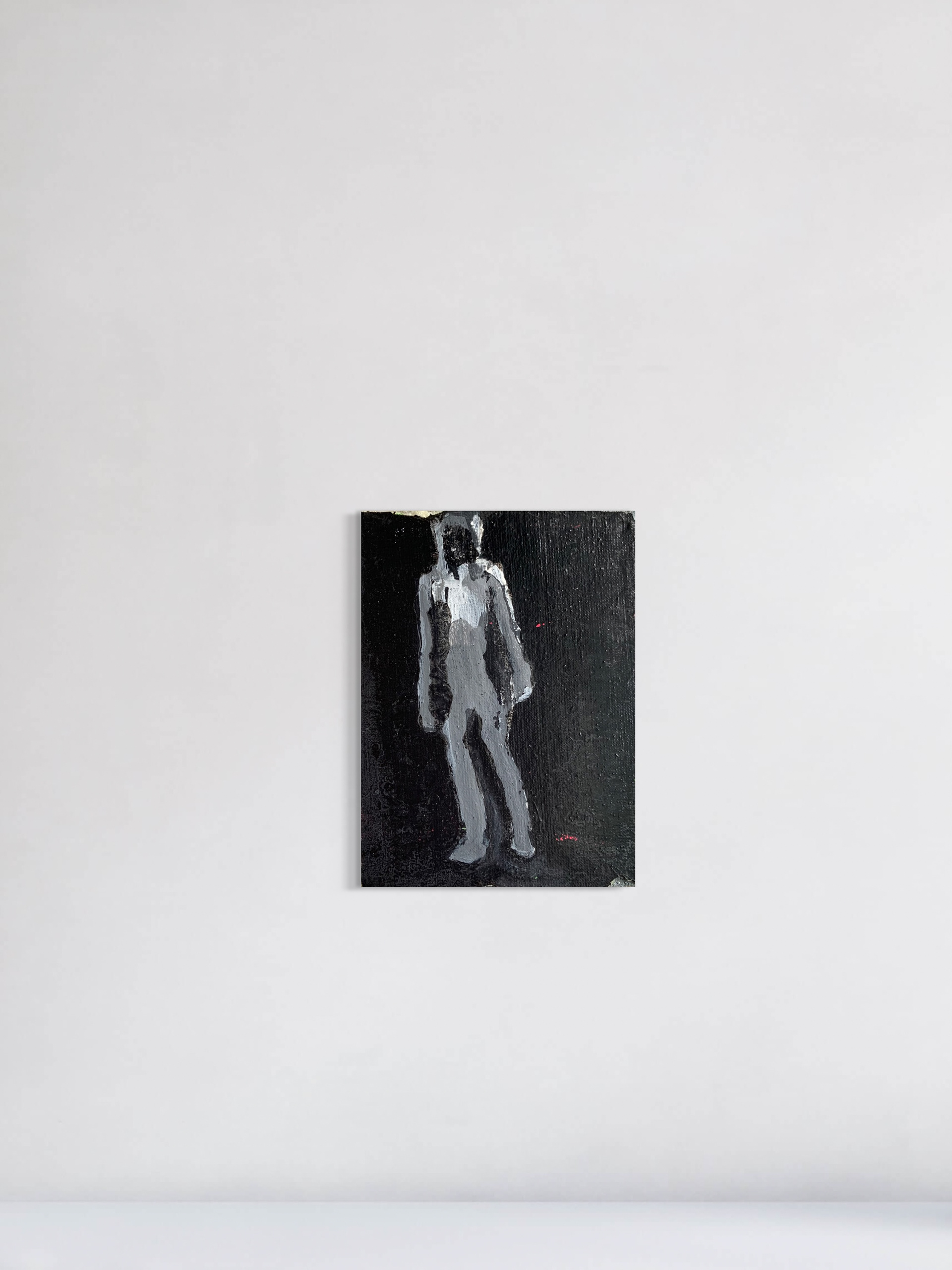
At the threshold of a new chapter, abandoned by industry but retaining its monumental, raw architecture, the building was ready to become a space for new forms of social and cultural life. One of the first events to spark this transformation was the Expo De Vasim exhibition, during which I realized my installation inside the factory interior.